
Epidermolysis bullosa is a perplexing medical enigma, a genetic skin condition that has baffled patients and researchers alike. Those affected live with skin that is extraordinarily delicate, leading to blistering and wounds that underscore the complexities of their everyday experiences. Recent revolutionary treatments, filsuvez and vyjuvek, are turning heads in the medical community, bringing new hope for alleviating this debilitating condition.
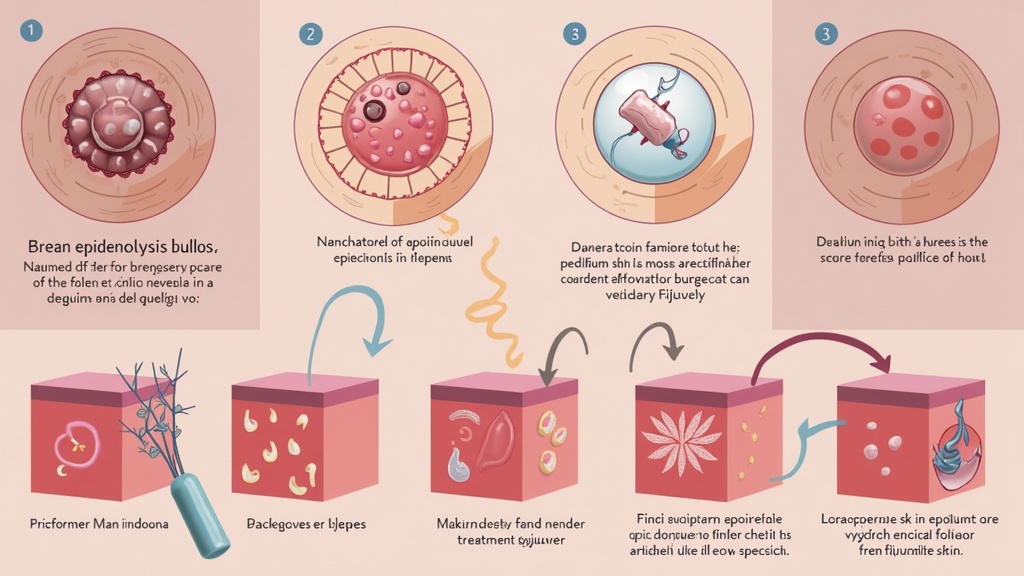
Decoding Epidermolysis Bullosa
At the heart of epidermolysis bullosa lies a spectrum of genetic mutations affecting proteins responsible for skin integrity. Manifestations range from mild blistering limited to hands and feet to severe involvement affecting the whole body, demanding an intricate understanding of its various forms. This variability makes patient management a deeply personalized journey, effectuating appeals for precision medicine.
The Practical Challenges of Living with Fragile Skin
For those with epidermolysis bullosa, routine activities can pose significant challenges. Even trivial friction may initiate painful blisters. Beyond physical pain, the condition profoundly affects daily life, often necessitating protective wear, frequent bandaging, and an ever-present vigilance to prevent injury. These challenges extend into the emotional realm, impacting mental health and social interactions.
Breakthroughs in Treatment: Filsuvez and Vyjuvek
Innovations such as filsuvez and vyjuvek stand as beacons of hope among emerging treatments. Filsuvez, a gel containing birch bark extract, shows promise in accelerating wound healing, while vyjuvek, a gene therapy, targets the condition at its roots. The promising results from clinical trials have sparked optimism within the community, pointing towards a future with more effective management strategies.
Exploring the Medicines with Unintended Consequences
As research into epidermolysis bullosa evolves, discussions have started unraveling the potential for certain medications to exacerbate or even mimic the condition. Known culprits include some antibiotics and anti-inflammatory drugs, highlighting the necessity of thorough evaluation and coordination in patient care to avoid unintentional harm.
Recognizing Key Signs: A Guiding Compass
Accurate diagnosis of epidermolysis bullosa hinges on recognizing its key signs early in life. Aside from blistering, signs such as nail loss, dental issues, and internal blistering offer crucial diagnostic clues. Raising awareness among clinicians and public regarding these indicators can dramatically enhance patient outcomes through swift, appropriate interventions.
Driving Research and the Future of Care
Within laboratories, efforts are escalating to deepen the understanding of genetic underpinnings and to devise novel therapies. Research into stem cell transplantation and CRISPR technology reflects a spirited commitment to developing transformative treatments. These pioneering efforts underscore the undeniable importance of continued research funding and collaborative endeavors.
The Role of Comprehensive Care Strategies
Managing epidermolysis bullosa extends beyond cutting-edge treatments. Comprehensive care involving dietary considerations, pain management, and psychological support forms the cornerstone of effective management. Establishing multi-disciplinary care teams can mitigate complications, enhancing overall quality of life for patients.
Empowering Patients and Advocates for Change
Communities are seeing empowerment as more individuals and advocates amplify their voices, driving policy changes and increasing research resources. Online platforms foster connections, education, and advocacy, paving the way for societal shifts in addressing the needs of those with epidermolysis bullosa. Active involvement empowers personal and collective transformations, heralding a brighter future.