
When harsh weather hits, trees are often the unsung casualties, leaving homeowners and managers with daunting decisions. Beyond the immediate risks lies a web of considerations involving safety, environmental balance, and legal obligations. Different factors intertwine to dictate the urgency and method of tree removal. Dive into this comprehensive guide to understand storm-damaged tree removal more intuitively, helping you navigate this challenge with confidence.
Understanding the Urgency: More than Just a Fallen Tree
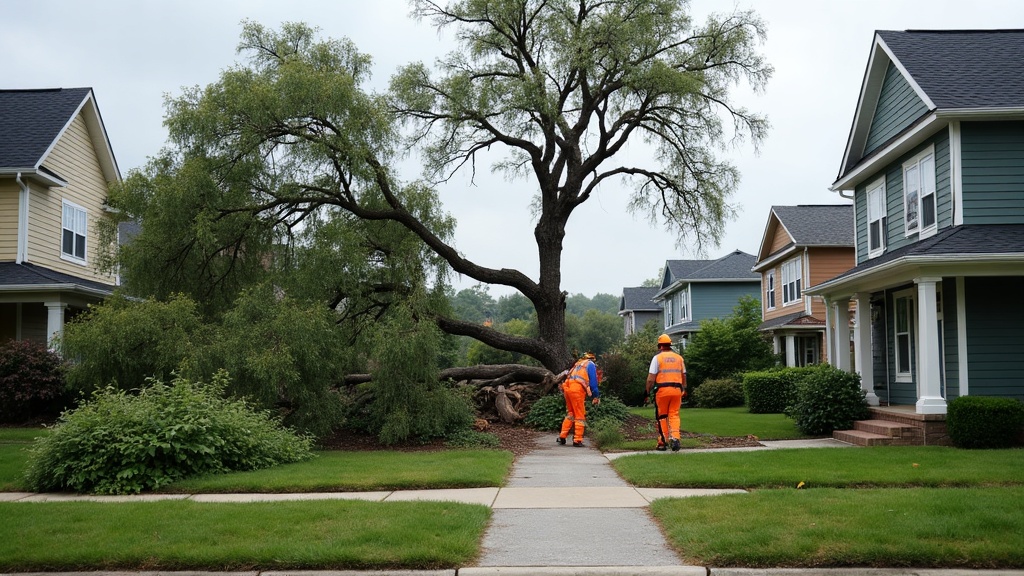
Storm-damaged trees represent imminent hazards that extend beyond mere aesthetics. When a tree's stability is compromised, its branches or entire structure might threaten nearby properties or endanger lives. Rapid response becomes more essential as the tree’s proximity to high-traffic areas increases. Combine this urgency with a tree's unpredictable nature post-storm, and the need for timely assessment becomes apparent.
Deciphering Tree Species and Their Impact on Removal
Each tree species has unique characteristics that influence its response to storm damage. Some species, like willow and maple, are more prone to breakage due to brittle wood. Meanwhile, resilient oak might show hidden internal damages. Recognizing these traits allows for accurate hazard evaluation and appropriate removal tactics, ensuring both the safety and preservation of surviving flora.
Evaluating Damage Severity: A Crucial First Step
Before any decisions are made, the extent of damage must be assessed. Cracked limbs, exposed roots, and split trunks present varying degrees of danger. Knowing when a tree can be saved or when removal is necessary can save substantial future costs. Professionals use indicators like canopy loss percentage and leaning angles to diagnose whether repair or removal is the safest route
Navigating the Proximity to Structures and Utilities
The location of a storm-damaged tree can greatly affect removal strategies. Trees leaning toward or entangled with power lines require specialized handling due to electrocution risks. Similarly, those close to homes or roads involve complex calculations to prevent collateral damage. Professional expertise in strategic removal and securing safety zones is indispensable in such scenarios.
Local Regulations: An Often-Overlooked Element
Local laws might dictate the removal process – from mandatory permits to protected species lists. Ignoring these regulations can lead to legal repercussions. Engaging a tree service knowledgeable about local legislation ensures compliance and avoids costly fines. Awareness of municipal biodiversity initiatives can also influence whether a tree is removed or preserved.
The Role of Professional Tree Health Evaluations
In the aftermath of a storm, not every damaged tree requires removal. Skilled arborists perform health assessments that reveal non-obvious damages and potential recovery prospects. These evaluations guide decisions on selective trimming versus full removal, possibly saving trees that appear beyond repair to untrained eyes.
Breaking Down the Costs: Financial Planning for Removal
Storm-damaged tree removal costs vary widely, influenced by tree size, location convenience, and urgency. Understanding a detailed cost guide aids in crafting realistic budgets. In some scenarios, insurance coverage may alleviate financial burdens, making familiarity with your policy’s stipulations advantageous.
Unveiling Cleanup and Restoration Techniques
After the trees are removed, the cleanup process begins, which can be equally taxing. Stump grinding, root removal, and site restoration ensure property safety and visual appeal are reinstated. Understanding each technique's impact on soil quality and future vegetation prospects is key to comprehensive post-disaster recovery.
Prioritizing Safety and Environmental Awareness
Safety is paramount during tree removal, requiring strict adherence to proven protocol. Proper risk assessments and personal protective equipment are non-negotiable standards for professionals. Beyond the act of removal, thoughtful consideration for local ecosystems fosters sustainable management and mitigates environmental impact.