
Tardive Dyskinesia (TD) is a perplexing and often permanent condition caused by long-term use of certain antipsychotic medications. While its permanence remains a medical conundrum, Austedo is gaining popularity as the preferred treatment. This article delves into the reasons behind the enduring nature of TD and why Austedo stands out among treatment options.
The Puzzle of Permanent Symptoms
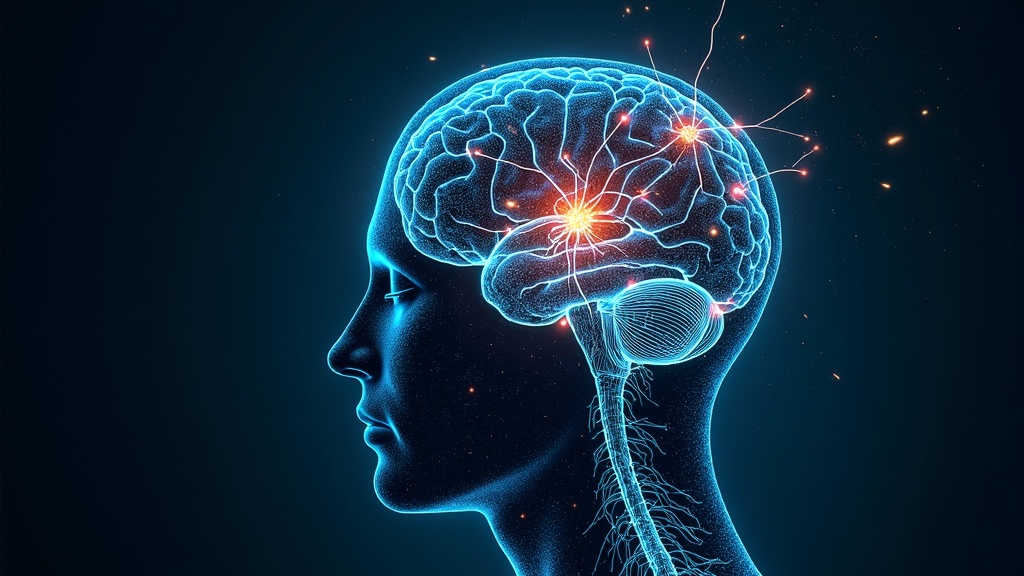
The permanence of Tardive Dyskinesia is tied to its underlying mechanisms. Primarily, TD results from prolonged use of dopamine receptor-blocking medications, leading to an 'up-regulation' of dopamine receptors in the brain. This up-regulation stimulates involuntary movements, primarily because the brain becomes overly sensitive to its own dopamine. Even after discontinuing the triggering medication, this persistently altered neurochemical pathway causes enduring symptoms. This lasting impact underscores the complexity and difficulty in reversing TD even after treatment cessation.
Unveiling the Science Behind Tardive Dyskinesia
Research reveals that TD is deeply rooted in neuroplastic changes within the brain. Over time, chronic exposure to antipsychotics causes adaptive changes, including alterations in receptor density and function, DNA methylation, and oxidative stress. These neuroplastic changes contribute to the sustained nature of TD symptoms, making reversal particularly challenging. Understanding these changes is crucial for developing effective interventions that target the root of the condition rather than just alleviating symptoms.
Navigating the Labyrinth of Treatment Options
When faced with Tardive Dyskinesia, patients and doctors must navigate a complex landscape of treatment options. Traditionally, therapies ranged from adjusting antipsychotic medications to utilizing supplements like vitamin E and melatonin. However, these options primarily focus on symptom management and often provide inconsistent results. This has led to a demand for more reliable, targeted treatments that address the foundational neurochemical imbalances associated with TD.
The Birth of Austedo: A Game Changer in TD Treatment
Austedo (deutetrabenazine) emerged as a groundbreaking treatment for Tardive Dyskinesia, offering hope to both patients and physicians. Its mechanism involves the depletion of monoamines, effectively reducing the excessive neurotransmitter activity characteristic of TD. Austedo functions as a VMAT2 inhibitor, selectively targeting vesicular monoamine transporter 2, thereby diminishing involuntary movements without the severe side effects commonly associated with other treatments, like first-generation antipsychotics.
Why Austedo Shines Brighter Among Peers
Beyond its mechanism, Austedo's appeal lies in its clinical efficacy and safety profile. Trials have demonstrated significant reduction in TD symptoms, with better tolerability compared to older treatment alternatives. Moreover, Austedo's dosing flexibility allows for personalized treatment plans, adapting to the variable nature and severity of TD expressions. This tailored approach fosters higher patient adherence, enhancing overall treatment outcomes.
Patient Stories: Real-Life Relief
Philippa, a 54-year-old teacher from Oregon, exemplifies Austedo's life-changing potential. After years of debilitating involuntary movements that disrupted her classroom activities and quality of life, she began an Austedo regimen. Within weeks, Philippa noted marked improvement, describing it as a 'reprieve from a lifelong storm.' Her story echoes countless others finding new normalcy, showcasing the pivotal role of Austedo in reclaiming life from TD's grasp.
Challenges in Widespread Adoption
Despite its potential benefits, the adoption of Austedo is not without hurdles. Access and cost remain persistent barriers, as healthcare systems grapple with integrating Austedo into standard care regimens. Moreover, ongoing education is essential, ensuring clinicians are equipped with knowledge about Austedo's benefits and limitations. Addressing these challenges is crucial to making Austedo accessible and optimizing its impact as the treatment of choice for TD.
Looking Forward: Innovations on the Horizon
The future of Tardive Dyskinesia treatment looks promising, with ongoing research focused on refining existing therapies and discovering new interventions. Innovations aim to enhance the understanding of TD’s biological underpinnings, paving the way for therapies that not only alleviate symptoms but also tackle the condition’s root causes. Austedo’s success sets a benchmark, inspiring continued exploration and potential breakthroughs in neuropsychiatric care.