
As individuals get older, many find that falling and staying asleep becomes more of a challenge. Addressing insomnia in older adults isn't just important for their own well-being, but it also holds significance for caregivers and healthcare professionals who facilitate holistic aging. This article explores diverse treatments and strategic approaches that can help seniors reclaim their nights and enjoy healthier, happier days.
Understanding Senior Sleep Patterns
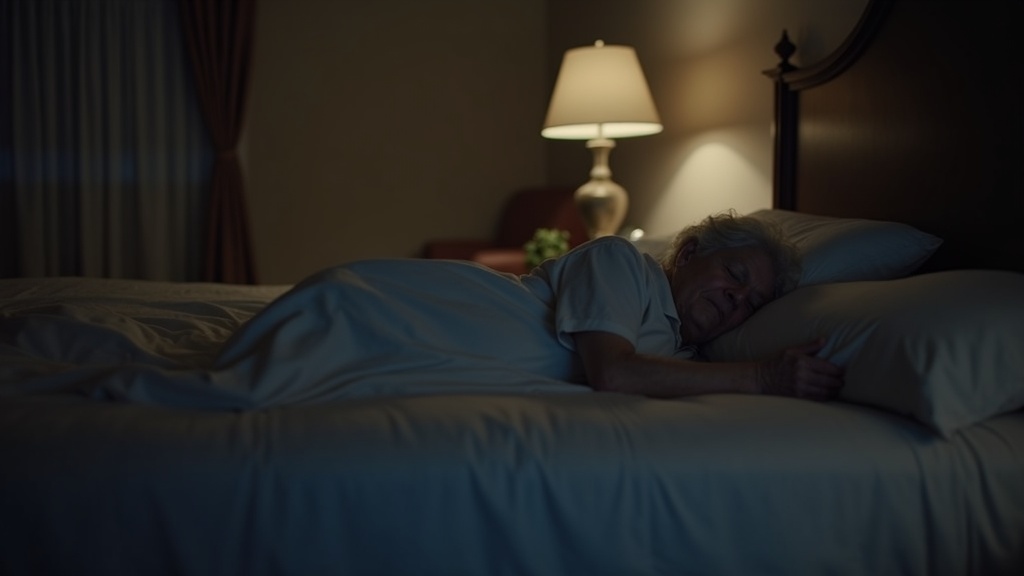
Sleep patterns naturally evolve with age, often leading to lighter, less restful sleep among seniors. Lowered production of melatonin, changes in circadian rhythms, and increased sensitivity to external stimuli are common amongst older populations. Understanding these shifts is crucial to addressing insomnia effectively in this demographic to enhance overall life satisfaction and functionality.
Pharmaceutical Aids: Balancing Efficacy and Safety
While medications such as Zolpidem and Benzodiazepines may offer relief for insomnia, their use in older adults requires cautious consideration. These pharmaceuticals can be accompanied by risks like dependency, dizziness, or cognitive decline. Thus, understanding potential side effects and interactions with existing medications is key for those seeking medicinal help for sleep and anxiety in older adults.
Holistic and Natural Approaches to Sleep Improvement
Natural remedies are gaining traction as preferable alternatives for those wary of pharmacy shelves. Melatonin supplements, valerian root, lavender, and chamomile teas are some widely used natural sleep aids. Aromatherapy and acupuncture are additional avenues moderately supported by research, suggesting these options support improved sleep quality without adverse side effects.
Cognitive Behavioral Therapy: A Long-term Solution
Cognitive Behavioral Therapy for Insomnia (CBT-I) has been identified as a highly effective treatment, especially amongst older adults. This form of therapy emphasizes altering sleep-interrupting thoughts and behaviors, promoting better sleep hygiene, and has less risk than pharmacotherapy. CBT-I has shown promising results, offering sustained improvements in sleep habits without pharmaceutical intervention.
Dietary Considerations for Sleep Enhancement
Certain dietary choices can profoundly influence sleep patterns. Foods high in tryptophan, such as turkey, cheese, and nuts, can aid in the production of relaxing neurotransmitters. Meanwhile, limiting caffeine and alcohol intake closer to bedtime can prevent disruptive sleep episodes. Seniors are encouraged to maintain balanced nutrition, aiding their quest for restorative slumber.
The Role of Physical Activity in Sleep Quality
Regular physical activity is invaluable in improving sleep quality. Activities like walking, swimming, or yoga not only boost overall health but also facilitate deeper, more restorative sleep. Such exercises help regulate circadian rhythms and reduce instances of insomnia, incorporating movement into daily routines is highly encouraged for older adults.
Home Environment Adjustments: Crafting a Sleep Sanctuary
Creating a conducive sleep environment can make a marked difference for seniors grappling with insomnia. Reducing noise, controlling lighting, and maintaining a comfortable temperature can significantly enhance sleep quality. Incorporating supportive mattresses and pillows tailored to individual comfort preferences elevates this personalized haven for rest.
Personalizing Care: Tailoring Sleep Solutions for Individual Needs
The diverse nature of insomnia requires tailored solutions to meet the individual needs of older adults, considering their medical histories and lifestyle nuances. Collaboration between healthcare providers and families is fundamental in devising personalized and flexible care plans that effectively address sleep disturbances, aligning with broader wellness goals.
Staying Informed: The Evolving Landscape of Sleep Management
As research continues to unravel the complexities of sleep, staying informed about new treatments and trends in insomnia management is crucial. The ongoing discourse around senior sleep aids offers insights into innovative solutions and approaches, empowering individuals to make informed healthcare choices that prioritize safety and efficacy above all else.