
Mold is more than just a cosmetic nuisance—it can pose real threats to health and property if left untreated. Understanding the distinction between mold inspection and remediation is critical for anyone looking to maintain a safe and healthy living environment. Whether you're facedown mold lurking in your basement or uncovering unseen spores during a home renovation, knowing the differences can make a significant impact on your approach and outcome. This article navigates the nuances of these processes, helping you make informed decisions and safeguard your home.
The Basics: What Is Mold Inspection?
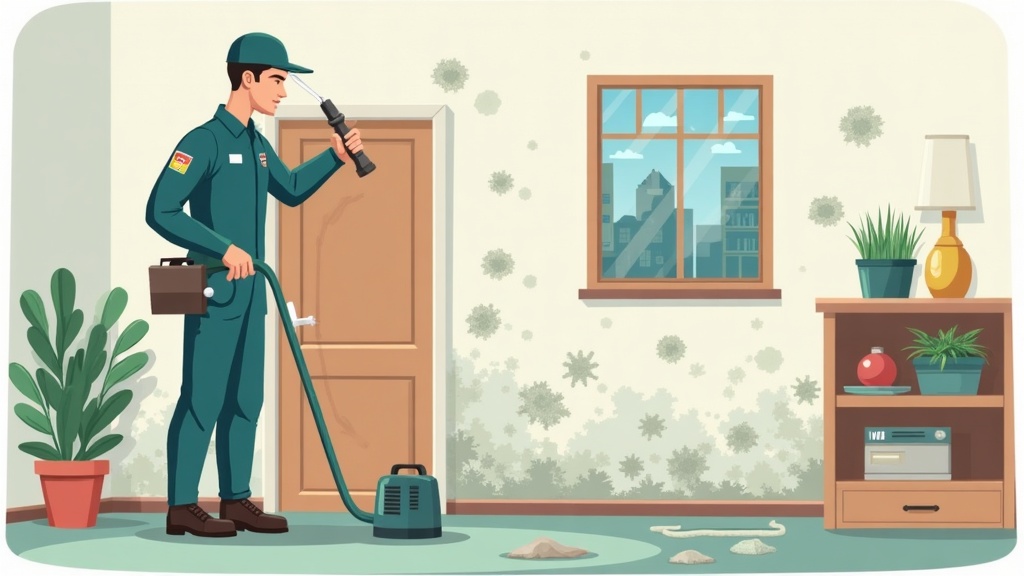
Mold inspection is a process designed to assess the presence and extent of mold growth within a property. Unlike a cursory glance, a professional mold inspection employs sophisticated tools and expertise to identify mold types, locations, and potential sources of moisture. Certified inspectors use tools like moisture meters, thermal imaging, and air quality tests to provide comprehensive insights. Going beyond mere detection, the report from a mold inspection offers a roadmap for addressing any fungal discovery.
When Mold Remediation Becomes Necessary
While mold inspection determines the presence and severity of mold, remediation is about the removal and prevention processes. Mold remediation is a multi-step strategy involving containment, removal, and cleanup of mold growth. It is crucial to understand that remediation is more than just ridding a surface of visible mold. It requires addressing the moisture problem, cleaning the air, and ensuring that re-growth is prevented. Remediation professionals might employ methods such as HEPA vacuuming, antimicrobial cleaning, and sometimes structural repairs.
Factors Influencing Mold Remediation Costs
Mold remediation costs can vary significantly, driven by several factors including the size of the affected area, the location within the building, and the degree of contamination. Water damage mold cleanup might differ in price from general mold treatment because water damage often necessitates more extensive repairs. Similarly, basement mold treatment costs can differ based on accessibility and structural concerns unique to basements. Understanding these variables can help homeowners budget appropriately and avoid unexpected expenses.
Selecting a Certified Mold Company: Why It Matters
Choosing a certified mold company is critical for ensuring both safety and efficiency in mold remediation. Certification signifies that the company adheres to industry standards and practices. Working with certified professionals reduces health risks associated with improper handling and ensures compliance with legal guidelines. Homeowners should verify certifications such as NAMP or IICRC to ensure that companies are qualified to execute mold remediation effectively.
Comparing Mold Companies: What to Look For
When comparing mold companies, consider their experience, methods, and customer service. Look for companies that offer transparency in pricing, detailed plans for remediation, and clear communication. Customer testimonials and reviews often provide insights into the company’s reliability and quality of service. A reputable company will have no qualms about discussing their techniques or qualifications and will outline a clear strategy tailored to your specific mold issues.
Emerging Trends in Mold Management
The mold remediation industry is continuously evolving, with new technologies and strategies emerging to tackle mold efficiently and safely. Trends such as increased focus on indoor air quality and innovative moisture control solutions are paving the way for more effective prevention. The growing awareness of mold’s impact on health has driven demand for more rigorous and permanent solutions, transforming the approach from reactive to proactive maintenance in property care.
Proactive Maintenance: A Wise Choice for Homeowners
Incorporating mold inspection and remediation into regular property maintenance can prevent costly and health-hazardous issues from arising. By adopting a proactive approach to mold, homeowners can safeguard their investments, improve indoor air quality, and avoid the more severe consequences of unchecked mold. Regular check-ups and prompt attention to water issues can minimize mold risks and maintain a healthier home environment.
Dispelling Common Mold Myths
Misinformation about mold is rampant, leading to misconceptions that can impact decision-making. Common myths include the perceived dangers of all black mold or the belief that bleach alone can remove mold. Educating oneself on the science and processes behind mold growth and remediation empowers homeowners to make decisions based on facts rather than myths. This knowledge is crucial for anyone seeking to effectively manage or prevent mold-related issues.