
Ensuring safety and peace of mind at home requires more than just basic supplies—it demands a thorough understanding of Home Emergency Preparedness Systems and the crucial gaps often overlooked in standard readiness strategies. Many homeowners are surprised to discover the nuanced differences between even the best home emergency preparedness systems, including variations in long-term effectiveness, maintenance requirements, and overall value. Evaluating home emergency preparedness systems reviews can help highlight real-world user experiences and satisfaction levels, yet it can be equally important to compare home emergency preparedness systems side-by-side to discern which solutions align most closely with unique household needs.
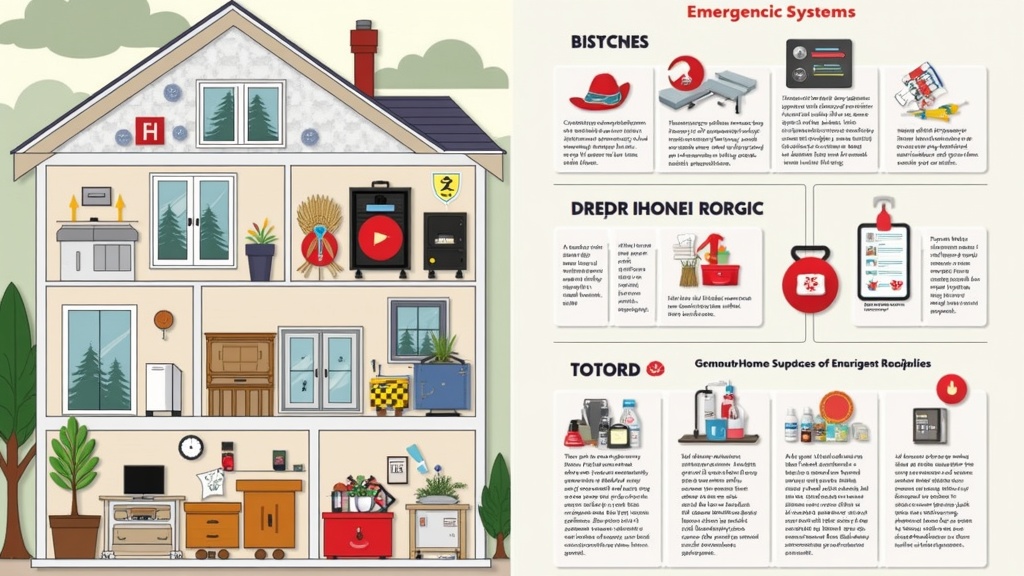
Beyond the Basics: Understanding Advanced Preparedness Needs
While basic emergency kits are a staple in many households, the evolving complexity of potential threats—such as cyber disruptions, prolonged power outages, and climate-induced natural disasters—demands a more sophisticated approach. Incorporating technology like smart readiness systems or integrating backup power solutions can significantly enhance a home's overall preparedness. Understanding these advanced needs ensures a comprehensive shield against a multitude of potential dangers.
Evaluating Long-Term Effectiveness: More Than Meets the Eye
The effectiveness of an emergency preparedness system is not only measured by its immediate impact but by how it sustains over time. Seasonal changes, the frequency of usage, and evolving household needs must all be considered when assessing the long-term efficacy of a system. Homeowners should look for flexibility and scalability in systems that can adapt to changing requirements, thereby extending their utility and return on investment.
Due Diligence: Maintenance Requirements and Their Impact
Maintenance is often the overlooked chore in the realm of emergency preparedness. From battery replacements in smoke detectors to regular checks of emergency food and water supplies, maintaining readiness requires routine diligence. Systems that minimize maintenance through automation or streamlined servicing protocols can significantly ease this burden while ensuring optimal performance when needed most.
Cost vs. Value: Deciphering the True Investment
When weighing home emergency preparedness systems cost, it’s crucial to balance upfront expenses with longer-term value. Systems that are cheap initially might incur substantial costs later due to maintenance requirements or limited lifespans. A thorough cost-benefit analysis should include potential savings from mitigating emergency damages and ensuring personal safety, highlighting the importance of strategic investment.
Spotlight on Real-World User Experiences
There's profound knowledge residing in the experiences of real-world system users. Reviews and user testimonials not only provide insights into system performance but also into customer service and support dynamics. Pay attention to user feedback on product reliability, installation ease, and the responsiveness of support services to uncover invaluable details that advertising alone may obscure.
Side-by-Side Comparisons: Finding the Perfect Fit
Not all homes are created equal – and neither are emergency preparedness systems. A side-by-side comparison of features, costs, and user reviews can illuminate stark differences and help pinpoint which system aligns best with specific household needs. Factors such as family size, location-specific risks, and personal preferences should all play a part in tailoring the perfect emergency preparedness blueprint.
Service Options: The Backbone of Reliable Protection
Access to reputable service options can make or break the efficacy of a home emergency preparedness system. Identifying 'home emergency preparedness systems installation near me' or establishing a network of trusted providers for support ensures speedy resolutions and enhances overall readiness. Prospective buyers should prioritize providers known for excellent customer service and prompt assistance in times of need.
Future-Proofing Your Home Emergency Plan
The landscape of potential emergencies is ever-growing and ever-shifting. Future-proofing involves staying informed about emerging technologies and threats to ensure your system is always a step ahead. Updating and expanding your readiness strategy in response to advancements in safety technologies and changes in environmental or social climates is a smart move to enhance long-term protection for your household.