
In the bustling world of digital signage, a subtle detail often goes unnoticed, yet holds immense power – it quietly dictates where the collective gaze of onlookers will linger first. This small but crucial element, if understood, can transform ordinary content into a captivating visual experience. Discover the secret ingredient that shapes the initial moments of visitor engagement, an often-overlooked aspect that holds the key to impactful digital messages.
Unlocking the Power of Perception
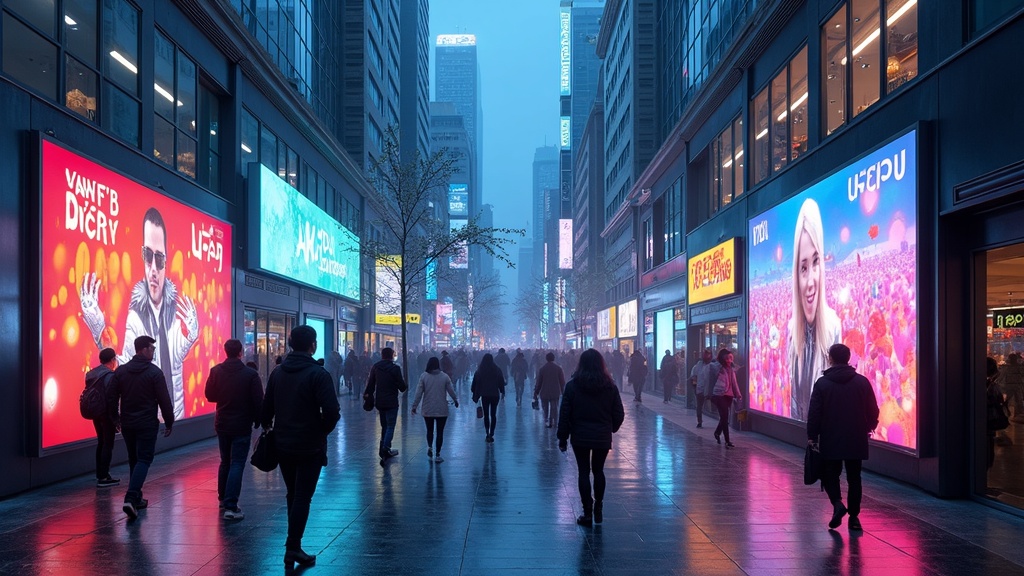
Perception isn't just a passive process; it's an intricate dance that determines the very first point of contact between humans and digital displays. When it comes to digital signage, perception works in mysterious ways, steering our attention to elements that we may not consciously acknowledge. Often, it's the placement, color, or even the motion embedded within these displays that draws the eyes. Without these nuanced details, even the most creative digital display could fade into the backdrop.
The Science of First Impressions
First impressions are not merely skin-deep—they’re brain-deep. According to Emily Chen, a cognitive scientist, our brains are hardwired to seek patterns and prioritize certain stimuli. 'The human brain loves symmetry, contrast, and surprises,' Emily explains. 'When a digital sign makes use of these elements strategically, it naturally flags our attention.' It's these subtle, scientific nuances that influence how screens become magnets for our wandering eyes.
Color: The Silent Communicator
Color is one of the primary ways to direct attention. Vincent Hale, an expert in color theory and digital marketing, underscores the enigmatic role of color in conveying subliminal messages. 'Warm colors like red and yellow can create urgency and excitement, whereas cool hues like blue and green promote calmness and trust,' states Vincent. The integration of color psychology in digital signs transforms them into more than just visuals; they become sensory experiences that communicate at a deeper level.
Motion: Engaging the Peripheral Vision
Movement naturally captures our peripheral vision—a concept that digital signage can leverage to its benefit. 'Dynamic content, such as animations or videos, can significantly enhance engagement,' shares Amber Leighton, a digital content strategist. 'It's about drawing viewers in initially and then holding their attention with compelling content.' Movement, even if minimal, can serve as an effective lure amidst static surroundings.
The Role of Spatial Orientation
Spatial orientation determines how we process visuals. Salvatore Romano, an expert in urban design, believes that where a digital sign is positioned can affect how it’s perceived. 'The height and angle of a display influence whether someone will engage with it,' he notes. A strategically placed sign at eye level has the power to invite interaction without the viewer consciously realizing why it feels so intuitive.
Typography: Crafting Readability and Interest
The art of typography is much more than font selection—it's about crafting readability and inviting interest. Rachel Huang, a typeface designer, emphasizes the role of simplicity and clarity in text-based signage. 'In crowded spaces, clean and bold typefaces can make content digestible at a glance,' Rachel suggests. Combining typography with other elements such as contrast and spacing ensures that words are not only seen but also absorbed.
The Tech Behind the Scenes
Beneath the glossy surfaces of digital displays lies a world of sophisticated technology. Julian Price, a digital hardware engineer, points to the advancements in display technology that make visually appealing designs possible. 'From high-definition screens to responsive sensors, these technologies allow for the integration of intricate visual cues that guide attention,' Julian explains. This behind-the-scenes tech often dictates how these small but mighty details are executed.
The Holistic Approach to Digital Signage
Achieving a powerful digital signage experience requires a holistic approach that synergizes all these elements. By understanding how various aspects like color, motion, typography, and placement interact, designers can craft messages that resonate on multiple sensory levels. This strategy not only enhances visibility but also leaves a lasting impression, converting passerby glance into meaningful engagement.
The Future of Attention-Capturing Displays
As technology progresses, so will the methods for capturing attention via digital signage. With innovations in AI and data analytics, the future holds even more potential for refined targeting and personalization of content. This progression signals a transformative era where digital signs will respond to—and anticipate—the needs of viewers, further solidifying their role in the communicative landscape.