
Maintaining a healthy septic system is not just a chore, it's a vital part of homeownership. As the need for robust wastewater management rises, understanding when to pump, inspect, or repair your septic system can spare you financial headaches. Dive into this comprehensive guide and unlock the secrets to safeguarding your property’s sanitation and longevity.
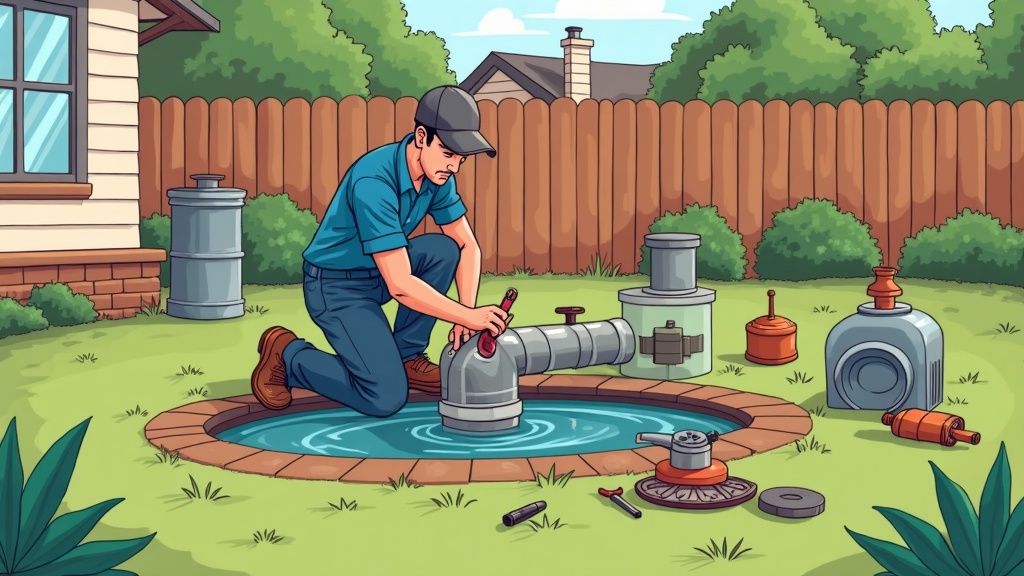
The Importance of a Clean Septic System
Keeping your septic system clean isn't just about adhering to regulations—it's about protecting your home and health. Left unchecked, waste accumulations can lead to unsanitary conditions, costly repairs, and decreased property value.
Understanding Septic Pumping
Septic pumping involves the removal of solid waste and sludge that accumulates at the bottom of your tank. On average, households should schedule pumping every three to five years to prevent overflow and system failure.
Knowing When to Inspect
Routine inspections are your first line of defense against system breakdowns. Experts recommend biennial checks to catch minor issues before they escalate, ensuring your septic system operates efficiently.
Identifying Repair Needs
Spotting early warning signs like slow drains or sewage backups can save you from more extensive repairs. An understanding of what parts typically require attention can steer conversations with repair professionals.
Factoring Costs into Septic Repairs
Tackling the cost of septic repairs involves considering factors such as labor, parts, and local regulations. An upfront investment in maintenance can prevent the escalation of expenses later.
Exploring Drain Field Repair Options
Drain fields are critical for wastewater management. Recognizing damage or blockages early and opting for trenchless solutions or soil fracturing can extend their lifespan significantly.
Septic Pumping Best Practices
Despite common misconceptions, septic systems are optimized when households abide by a pumping schedule based on usage rather than a set timeframe. Use water efficiently and avoid flushing non-biodegradable items.
Choosing the Right Septic Contractor
Selecting a qualified septic contractor does not solely hinge on price. Homeowners should seek certifications, client reviews, and service guarantees to ensure quality work.
Septic Health, Environment, and Property Value
Beyond functionality, a diligently maintained septic system contributes to environmental conservation and maintains, if not enhances, property value. Understanding this link promotes a sustainable approach to septic care.