
As hurricanes grow more frequent and fierce, homeowners face the daunting task of securing adequate insurance. Distinguishing between hurricane, wind, and flood coverage is crucial for protecting one of your most valuable assets—your home. Understanding these coverages can prevent costly surprises.
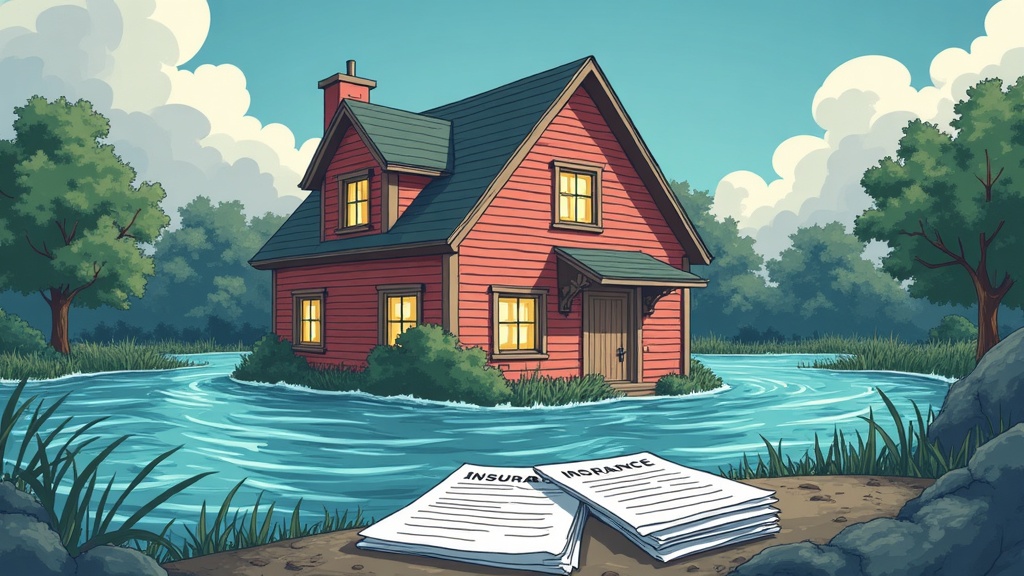
Understanding Hurricane Insurance: Beyond the Basics
Hurricane insurance often sends homeowners spiraling into confusion. While many assume their standard homeowners insurance automatically covers hurricane damage, this isn’t always the case. It’s crucial to examine the particulars of a policy to understand what exactly is covered, including damage from high winds typical of hurricanes, which may require special endorsements or separate policies. Exploring the nuances of hurricane deductibles, which can be considerably higher than traditional deductibles, unveils insights into managing financial responsibilities post-storm.
Windstorm Coverage: A Specialized Shield
Windstorm insurance focuses specifically on damage caused by high winds, offering essential coverage in regions prone to powerful wind events. Often considered a necessary supplement to homeowners insurance, windstorm coverage acts as a specialized shield. This coverage can be critical, especially in states like Texas or Florida, where standard policies often exclude windstorm damage due to the frequency of such incidents. Understanding windstorm coverage can make a significant difference in recovery speed after a devastating storm.
Breaking Down Flood Insurance: A Separate Protection
Flooding poses a unique challenge, as it’s often excluded from standard homeowners policies. Specialized flood insurance through the National Flood Insurance Program (NFIP) or private insurers specifically addresses the swathes of damage that water can cause. Particularly in flood-prone areas, having separate flood coverage is not just advisable but essential, protecting homeowners from devastating financial losses. A detailed look into flood insurance reveals its mechanics and the importance of topographical awareness in policy selection.
Hurricane Deductibles: What Homeowners Need to Know
A critical component of hurricane coverage is understanding the deductible structure. Unlike standard deductibles, hurricane deductibles typically represent a percentage of the home's insured value. This percentage can vary based on state regulations and insurer policies, meaning potential out-of-pocket expenses can be substantial. Being aware of these differences aids homeowners in budgeting for disaster recovery and ensures they aren’t blindsided by hefty costs.
Geographic Considerations: Why Location Matters
The necessity and cost of wind and flood coverage often depend on geographic risk factors. Coastal and low-lying areas, frequently in the path of hurricanes and prone to flooding, face unique challenges. Insurers assess these risks and design policies accordingly, sometimes mandating specific coverages that inland properties might not require. Understanding these geographic considerations helps homeowners select appropriate and potentially lifesaving coverages.
Comparing Coverage Options: A Strategic Guide
Conducting a thorough comparison of various insurance coverages—hurricane, windstorm, and flood—provides valuable insight for homeowners in search of comprehensive protection. Each type of insurance offers unique benefits and potential drawbacks that align differently depending on individual needs and locations. This informed approach allows property owners to strike a balance between adequate coverage and manageable premiums.
The Role of Government and Insurance Trends
Government programs and evolving insurance trends significantly impact the availability and cost of hurricane-related coverage. Understanding the National Flood Insurance Program and recent legislative changes can demystify the complexities surrounding flood insurance. Additionally, industry trends, such as predictive analytics and climate change’s impact on pricing, underline the importance of staying informed about factors influencing insurance markets.
Empowering Decision-Making: Proactive Steps Forward
Empowering homeowners to make informed decisions requires well-researched, proactive planning. By actively engaging with insurance agents, conducting regular policy reviews, and staying alert to the dynamic climate-related conditions, homeowners can fortify their greatest investment against the unpredictability of nature’s wrath. This proactive approach minimizes risks, potentially saves thousands of dollars, and offers peace of mind when storms loom on the horizon.
Conclusion: Arming Yourself with Knowledge
Navigating the intricacies of hurricane, wind, and flood coverage demands knowledge and vigilance. As weather events intensify in both frequency and severity, the importance of understanding these distinctions grows. Only with a thorough comprehension of the available options can homeowners truly safeguard their homes and their financial well-being against the unpredictable forces of nature.