
When water unexpectedly invades your property, the chaos can be overwhelming. Understanding the meticulous processes behind professional water-damage restoration can turn the tide in your favor, providing peace of mind and preserving your property's value. Dive into this comprehensive guide to how experts transform disaster into recovery using cutting-edge techniques and immense expertise.
Understanding the Initial Assessment
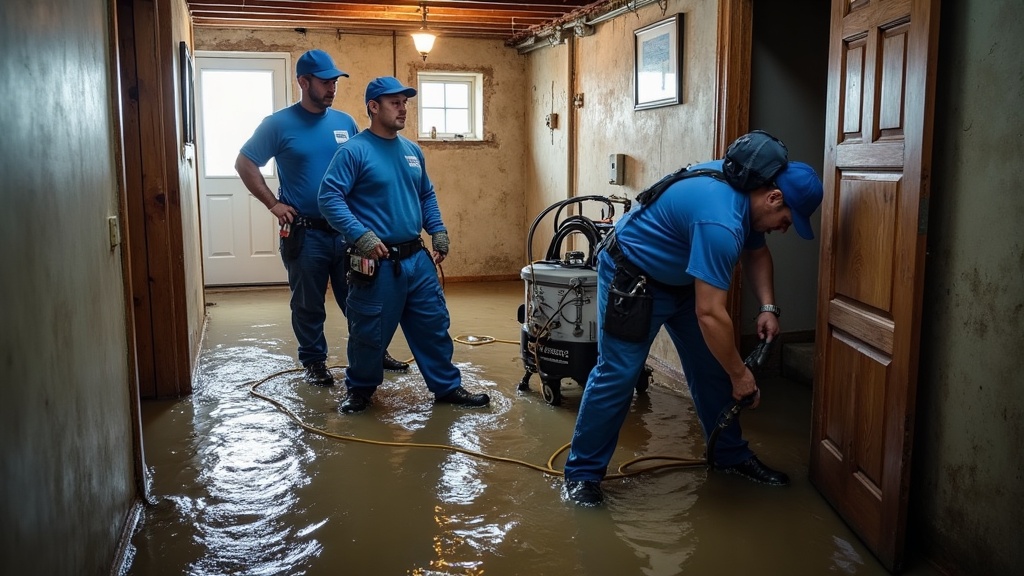
Every successful water-damage restoration begins with a thorough initial assessment. Technicians, equipped with advanced tools, investigate the extent of the damage. They identify the water source, categorize the water damage, and formulate a restoration plan. This stage is crucial as it not only dictates the subsequent actions but also helps homeowners understand the scope and severity of the situation.
Emergency Water Removal Protocols Unveiled
The race against time begins with emergency water removal protocols. Using high-powered pumps and vacuums, restoration professionals swiftly extract standing water to prevent further structural damage and mold growth. This phase often involves working around the clock to mitigate risks associated with prolonged water exposure.
Advanced Drying and Dehumidification Techniques
Once visible water is removed, the focus shifts to eliminating moisture hidden within materials. Dehumidifiers, air movers, and infrared moisture detectors work in synergy to dry walls, floors, and furnishings effectively. Professionals understand that thorough drying prevents mold infestations and structural weakening down the line.
Meticulous Cleaning and Sanitizing Practices
Water-invaded spaces often harbor contaminants that pose health risks. Restoration crews employ industrial-grade cleaning agents and techniques to sanitize affected areas. This includes treating carpets, upholstery, and other porous materials with antimicrobial solutions to ensure a safe living environment.
Specialized Strategies for Basement Water Damage
Basements, with their susceptibility to leaks and flooding, require tailored approaches. Experts tackle hidden moisture pockets behind walls and under floors using specialized equipment. This prevents potential issues like foundation weakening and ensures that basements remain habitable and structurally sound.
The Role of Cutting-edge Technology in Restoration
Incorporating the latest technology is transforming restoration practices. Infrared cameras, moisture meters, and even drones can assess hard-to-reach areas, enhancing accuracy and efficiency. This tech-driven approach not only speeds up recovery but also preserves more of the property and its contents.
Comparing Restoration Companies: Why It Matters
Not all water damage restoration companies are created equal. As a homeowner, evaluating service options is crucial. Look for factors such as response time, technological capability, transparent pricing, and customer reviews. These elements can make a significant difference in recovery speed and quality.
Eco-friendly Restoration Practices: A Growing Trend
The industry is witnessing a shift towards eco-conscious restoration practices. Sustainable cleaning products and energy-efficient equipment are being employed to minimize environmental impact while providing effective solutions. This trend reflects a broader focus on environmental responsibility within the sector.
The Intersection of Insurance and Restoration
Insurance plays a vital role in managing water-damage restoration costs. Understanding your policy and effectively negotiating claims can ease financial burdens. Establishing clear communication with insurers and restoration experts can streamline the process, facilitating quicker and more comprehensive recovery.