Advertisement
News
Trump Rages at Supreme Court Over Tariff Authority

In a dramatic turn of events that has captured political observers’ attention nationwide, former President Donald Trump has expressed his discontent with the Supreme Court’s recent decision regarding tariff authority. This controversy has emerged as a focal point within the larger narrative of the Trump administration’s impact on trade policies.
Understanding the Trump SCOTUS Tariff Dispute
The Supreme Court’s decision to limit the executive branch’s unilateral tariff imposition powers marks a significant check on presidential authority. This ruling directly challenges Trump’s previous moves to impose tariffs on various imports—a strategy he touted as necessary for protecting American businesses and reviving domestic manufacturing. The court’s decision reflects ongoing debates about the balance of power between branches of government, impacting not only future administrations but also businesses reliant on global trade partnerships.
Tariff Policies During the Trump Era
Under Trump’s presidency, a series of aggressive tariff implementations aimed at countries like China were justified as measures to counter unfair trade practices. The path was controversial but underlines how tariffs became a central tool in Trump’s trade war arsenal. The administration leveraged tariffs to renegotiate trade agreements, claiming these tactics saved American jobs and production. However, critics argue that such measures also spurred retaliatory tariffs, complicating international trade and escalating tensions.
Trump’s Reaction to the Supreme Court Ruling
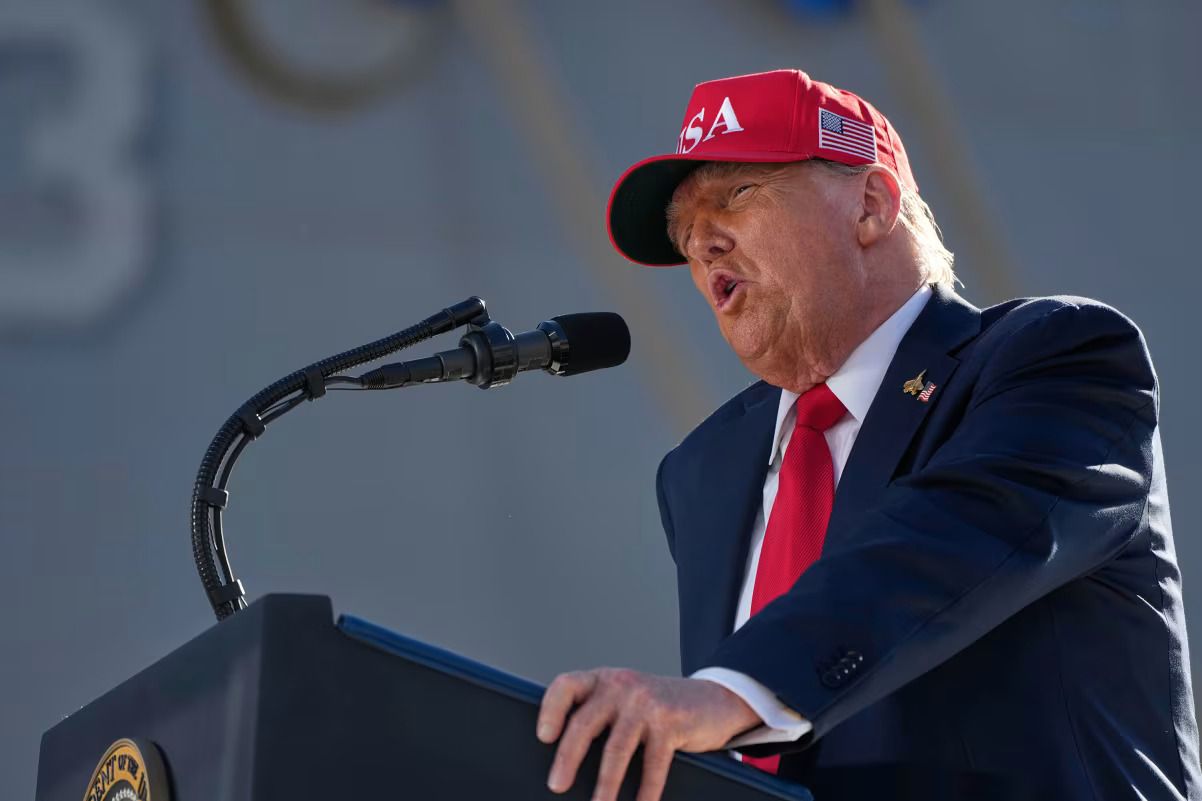
Trump’s public outrage following the Supreme Court’s decision was palpable. In his typical fervent style, he voiced his disapproval through various media channels, indicating that this ruling undermines his legacy on trade policies. Trump argues that the decision strips vital negotiating tools needed for ensuring favorable terms for the United States. It’s a moment that underscores the ongoing friction between his beliefs in a strong executive authority and the constitutional limits enforced by the judiciary.
Impact on Future Trade Policies
The implications of this Supreme Court decision reach far beyond its immediate impact on Trump. Current and future administrations will be constrained in using tariffs as leverage without congressional approval. This judicial intervention asks policymakers to reconsider how the United States engages with international trade partners and seeks competitive advantages without swift tariff enforcement. Experts predict a shift towards more diplomatic and legislative approaches to trade negotiations, potentially leading to more stable and predictable policy environments.
Expert Opinions on the Tariff Dispute
Various legal scholars and economic analysts have weighed in on this issue. Some view the Supreme Court’s decision as a necessary reaffirmation of legislative oversight in international commerce, while others fear it may weaken American negotiating power on the global stage. Trade policy experts suggest that robust congressional debate could foster more comprehensive trade strategies that account for long-term economic health rather than short-term gains or political wins.
“This ruling redefines how future presidencies employ economic tools to navigate complex geopolitical landscapes,” explains Dr. Emily Collins, a trade policy analyst.
What’s Next for Trump and His Tariff Strategy?
Looking forward, the fallout from this Supreme Court decision may shape the tone of Trump’s ongoing political engagements if he remains vocal in national trade discussions. Meanwhile, businesses and international allies will be watching closely to see how these limitations on tariff authority translate into future trade deals. The decision serves as a critical reminder of the intricate dance between law, policy, and international economics.
The Supreme Court’s ruling not only represents a legal boundary but also invokes broader considerations about economic governance and international collaboration. While Trump may rally against this outcome, it ultimately enriches the democratic process, inviting a collective discourse over American trade priorities.
Why is President Trump angry at the Supreme Court?
President Trump’s anger stems from the belief that the Supreme Court’s decision undermines his trade legacy and the tools he perceived as essential to enforcing fair trade practices. By curbing executive power over tariffs, the ruling provokes debate over jurisdictional boundaries and economic strategy in global commerce.