Advertisement
News
Trump Freezes $2.1 Billion Chicago Transit Projects Amid Shutdown
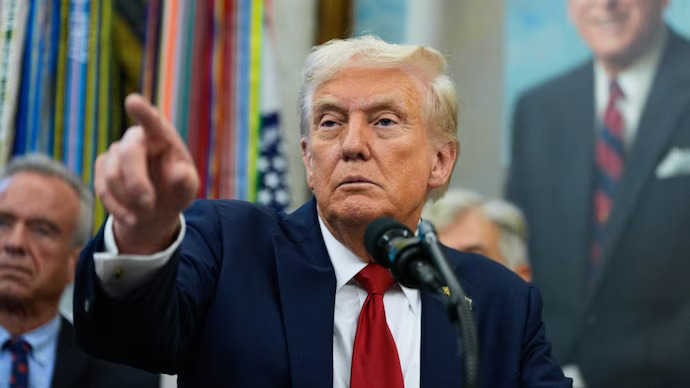
The recent decision to freeze a substantial $2.1 billion in transit projects earmarked for Chicago has prompted widespread concern and discourse. The move, initiated by the Trump administration amid governmental shutdowns, casts a shadow over the numerous development plans in the pipeline for the city. These projects, crucial for the enhancement of Chicago’s public transportation infrastructure, now face an uncertain future.
Understanding the Freeze: DOT’s Role in the $2.1B Project
At the heart of this financial pause lies the Department of Transportation (DOT), the agency responsible for overseeing such significant project funding. The freeze stems directly from a political impasse between the administration and Congress over federal budget allocations. This impasse has stretched resources thin, prompting a halt in funding to critical infrastructure projects like those in Chicago.
Impact on Chicago’s Transit Plans
The freezing of these funds threatens to derail timelines for major renovations and improvements in Chicago’s transit system. Plans that included expansions of key transit lines and the modernization of services may suffer delays or potentially stall entirely. Local officials and residents express concerns over the long-term impact on transit efficiency and economic growth, emphasizing the necessity of these developments for future city mobility.
The Political Clash and Funding Freeze
The decision to halt these projects underscores a broader clash over federal priorities and highlights the tangible impacts of political gridlock. For Chicago, a city with complex transit needs, this decision poses significant challenges. Local leaders must now navigate the political currents to advocate for the resumption of funding and ensure that the city’s infrastructure does not fall further behind.
Potential Solutions and Path Forward
Efforts to lift the freeze on the $2.1 billion projects hinge on diplomatic negotiations and potential compromises within the political sphere. Industry leaders and political advocates argue for strategic dialogues that focus on the essential nature of infrastructure investments, not just for Chicago, but for national progress.
Proponents of infrastructure funding are calling for a bipartisan approach that prioritizes the needs of cities over political disputes, urging Congress and the administration to see beyond current divides.
In the grand scheme, the freezing of $2.1 billion in Chicago transit projects serves as a poignant reminder of how deeply political shifts can affect public service and city development. As stakeholders push for resolution, the event underscores the need for robust discussion about maintaining and developing infrastructure across the United States, ensuring that all cities can continue to grow and thrive.
Why Trump Halted the $2.1B in Chicago Transit Projects
The halt in Chicago’s $2.1 billion transit projects is largely due to a political standoff over government spending, reflecting the tensions between the Trump administration and Congress over fiscal priorities. This decision is emblematic of broader national contention, highlighting the intersection of policy decisions and local impact.