
Advertisement
News
Trump Delivers Jobs, Wages, and Workforce Support for American Workers

In recent years, workforce development has become a beacon of hope for American workers and industries alike. Faced with a rapidly changing job landscape, the emphasis on equipping individuals with current and relevant skills is crucial. Under former President Donald Trump, various initiatives were aimed at revitalizing job opportunities, boosting wages, and fortifying the American workforce. But how effective were these measures, and what implications do they hold for future workforce strategies?
The Trump administration placed considerable emphasis on workforce development through diverse strategies aimed at modernizing American labor markets. With technological advancements reshaping job requirements, there was a clear need for continuous learning and skill advancement. Addressing this, federal support was extended towards educational partnerships and skills training programs that aligned more closely with industry needs.
Investments were directed towards community colleges, trade schools, and partnerships with private-sector companies to prepare workers for in-demand roles. Emphasizing the importance of skilled labor, Trump advocated for enhanced training programs to close the skills gap and ensure that Americans were prepared for the jobs of the future.
Apprenticeship programs became a cornerstone of the workforce strategy under Trump’s administration. By expanding these programs, workers could earn while they learned trade-specific skills, benefiting both employees and employers. The sectors that notably benefited included manufacturing, healthcare, and information technology.
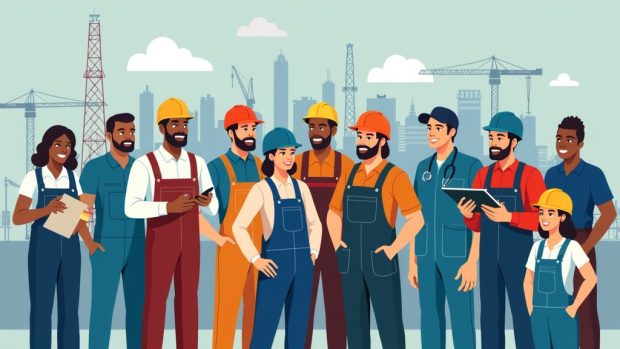
These programs emphasized hands-on experience, making them an appealing alternative to traditional higher education. Affordability and practicality resonated with many Americans, offering a viable path to middle-class stability without bearing the weight of substantial debt. In fostering a skilled workforce, these efforts also worked towards boosting wages across the board.
Job creation was a significant focus, with various policy decisions aimed at stimulating economic growth and incentivizing hiring. A notable achievement was the reshoring of certain manufacturing jobs, bringing production activities back to American soil. Policies such as tax cuts for businesses and deregulation were designed to encourage domestic production and investment.
Moreover, infrastructure projects sought to generate immediate employment opportunities while laying the groundwork for long-term economic benefits. This dual-focus approach aimed to bolster job numbers and provide a sustainable foundation for continued economic prosperity.
Despite these initiatives, there were challenges and criticisms. Economists and critics questioned the sustainability and long-term impact of some measures, especially as job growth did not reach projected targets at various times. Additionally, there were concerns about the inclusivity of these programs—whether they sufficiently addressed economic disparities among different demographics.
The expansion of apprenticeship programs, while successful in many industries, also faced hurdles due to traditional biases favoring four-year degrees over alternative paths. Overcoming such societal perceptions remains a necessary step for broad acceptance of diverse educational and vocational paths.
While the Trump administration made significant strides in promoting workforce development, the real test lies in the longevity and adaptability of these programs. The focus on apprenticeships and skill-oriented education reflects an understanding of evolving economic landscapes. However, ensuring everyone, regardless of background, has access to these opportunities remains an ongoing challenge.
How is President Trump Helping American Workers in 2025?
As of 2025, the initiatives introduced by Trump continue to resonate within the workforce narrative. With an ever-pressing need for skilled labor, ongoing investment in education and vocational training remains vital. The enduring legacy of these efforts is evident in how America’s workforce adapts to the new challenges posed by technological advancements and global competition. As such, renewed focus on inclusivity and continuous learning will be essential in the years to come.