Advertisement
News
Supreme Court Set to Decide If Trump’s Tariffs Are Legal – What You Need to Know
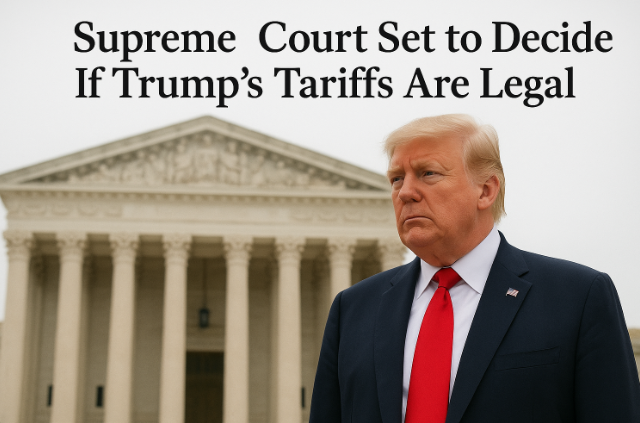
The Supreme Court’s forthcoming decision on the legality of former President Trump’s tariffs is sure to capture national attention. As we delve into this complex legal matter, it’s vital for readers to comprehend not only its immediate implications but also its potential long-term effects on international trade and U.S. economic policies. This exposition aims to demystify the key aspects surrounding the Supreme Court’s review, ensuring you stay informed and engaged with this pivotal issue.
Understanding the Trump Tariffs Supreme Court Case
Delving into the heart of the issue, the Supreme Court’s evaluation will pivot on whether Trump’s administration overstepped legal boundaries with the imposition of tariffs under Section 232 of the Trade Expansion Act of 1962. This section grants the President substantial authority to enforce tariffs if national security is threatened. However, critics argue this power has been abused, extending beyond its intended purpose. The Court’s decision will set a precedent with far-reaching consequences for trade practices and executive power.
The Trump tariffs, enacted between 2018 and 2019, were predominantly aimed at China, introducing a 25% levy on steel and a 10% tax on aluminum, among others. These actions were justified under the guise of protecting national security, but they triggered a plethora of retaliatory tariffs, significantly impacting U.S. farmers and manufacturers. This backdrop provides the contentious context in which the Supreme Court now finds itself deliberating. Can the thin veil of national security continue to justify such measures?
Internationally, these tariffs strained relations with key U.S. trade partners. Countries like Canada, Mexico, and members of the European Union were quick to respond with their measures, arguing that the tariffs breached World Trade Organization (WTO) agreements. As the Supreme Court deliberates, the broader implications for U.S.’s role within the WTO and its relationships with allies come to the fore.
The Economic Implications

The Supreme Court’s decision will inevitably ripple across the economy. A ruling against the tariffs could aid in mending trade barriers, potentially restoring normalcy for industries adversely affected by retaliatory measures. On the contrary, upholding the tariffs might empower future administrations to wield tariffs more aggressively as a tool of economic strategy, inviting instability and uncertainty in international markets.
Court’s verdicts don’t only settle present disputes; they shape the future of legislative interpretations.
The debate around the tariffs doesn’t merely remain insulated within walls of policy and economics. Public opinion plays a pivotal role, often swaying the political response and future election strategies. Should the Court’s decision invalidate the tariffs, it might invigorate debates about the balance of power within the U.S. government and spark wider discussions about executive overreach.
Supreme Court Review of Trump Tariffs Explained 2025
To unpack the Supreme Court’s review in 2025, it involves scrutinizing not just past precedents but also listening to the testimonies from industries, legal experts, and perhaps even international voices. The Court needs to balance domestic enforcement powers with international trade commitments, all while respecting the delicate checks and balances enshrined in the Constitution.
In essence, the Supreme Court’s impending ruling on Trump’s tariffs is emblematic of a larger dialogue about the interplay between national security, economic strategy, and presidential powers. By keeping abreast of these developments, we prepare ourselves to engage thoughtfully with the evolving landscape of international relations and domestic governance. As citizens, understanding the nuances of such decisions empowers us to advocate for policies that reflect the best interests of both the national and global community.
As the legal and political communities brace for the Supreme Court’s judgment, its outcome will offer crucial insights into the future of U.S. economic policy and governance. The reverberations of this decision will be felt far beyond the courtroom, marking a significant chapter in the ongoing narrative of international trade and national sovereignty.