
Advertisement
News
Saudi Arabia and Israel May Resume Ties Through US Mediation
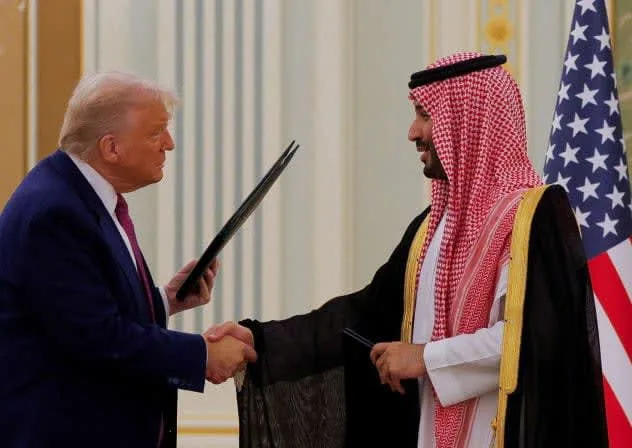
The intricate tapestry of Middle Eastern diplomacy is about to witness a potential reshaping as Saudi Arabia and Israel might resume diplomatic ties, a move that holds dramatic implications for regional stability. This development, while seemingly unexpected, is mediated by the United States, showcasing the delicate balance of influence the US maintains within this geopolitical corridor.
The Historical Context of Saudi Arabia-Israel Relations
The ties between Saudi Arabia and Israel are marked by intricate historical and cultural threads, primarily shaped by regional politics. Historically, both nations found themselves on opposite sides, with Saudi Arabia affirming strong support for Palestine. Yet, the complex dynamics of geopolitics have nudged both countries towards an unprecedented thaw, driven by mutual concerns like security against a common adversary—Iran—and the desire for regional stability.
United States’ Role in Mediating the Talks
The United States, under its multifaceted foreign policy strategies, is instrumental in facilitating dialogues between Saudi Arabia and Israel. The U.S. administration sees this opportunity as a strategic enhancement of its Middle Eastern diplomacy. By promoting peace talks, the US aims to strengthen alliances and foster a cooperative atmosphere in a historically volatile region.
Current Political Dynamics and Challenges
While optimism is warranted, the political landscape remains fraught with challenges. Skepticism within the Arab world could pose a significant obstacle. Saudi Arabia must navigate these waters carefully, balancing its emerging alliance with Israel while maintaining its leadership role among Arab nations. This delicate dance is critical for ensuring internal stability and external influence.
- Security Concerns: Shared concerns over regional security, particularly the threat posed by Iran, serve as a critical converging point for Saudi-Israeli discussions.
- Economic Opportunities: Both countries stand to gain economically from cooperative ventures, which may spur a wave of regional economic initiatives.
- Cultural and Religious Sensitivities: Any diplomatic overtures must consider the profound cultural and religious landscapes influencing public sentiment in both nations.
The Implications of Restored Ties
The normalization of relations between Saudi Arabia and Israel could herald a new era in the Middle East. Potential outcomes include increased economic collaboration, enhanced security cooperation, and possibly, a more unified approach towards regional conflicts. Moreover, this relationship could set a precedent for other Arab nations, further breaking the historical mold.
Economic and Security Partnerships
Economically, a partnership between these two powerhouses could ignite transformative industries ranging from technology to agriculture. Security-wise, an aligned stance could amplify efforts against terrorism and instability, reinforcing a collective defense mechanism.
Cultural Impact and Public Perception
While governments may find pathways to dialogue, public perception within both countries remains critical. Outreach and cultural exchanges could play pivotal roles in bridging divides and fostering mutual trust and understanding among citizens.
The potential warming of ties between Saudi Arabia and Israel, driven by US mediation, stands as a beacon of hopeful pragmatism in a region historically fraught with conflict. The strategic and sensitive orchestration of diplomatic efforts may not only redefine bilateral relations but also bring a significant shift in Middle Eastern geopolitics, placing the region on a new trajectory towards peace and prosperity.
How is the US Mediating Talks to Restore Ties between Saudi Arabia and Israel?
The United States employs a multifaceted approach in mediating talks between Saudi Arabia and Israel. This involves discreet backchannel communications, leveraging ties with both nations to address mutual interests, and framing incentives that cater to both geopolitical and economic realms. The US aims to create a balanced platform where both nations can openly discuss shared concerns and future opportunities amid the backdrop of regional challenges.