Advertisement
News
Judge Blocks Trump’s National Guard Deployment to Portland

In a significant development, a federal judge recently blocked the deployment of the National Guard to Portland by the Trump administration. This decision has sparked a multitude of reactions from political commentators, legal analysts, and the public at large, highlighting the complex balance between federal authority and states’ rights. At the heart of the matter is the tension between maintaining order and respecting local governance, making it a compelling episode in the ongoing narrative of American democracy.
The decision to deploy the National Guard to Portland was part of a broader strategy by then-President Donald Trump to address nationwide protests. These protests, often centered on issues of racial justice and police reform, swept across many U.S. cities. Trump’s administration argued that the federal intervention was necessary to protect federal property and enforce the rule of law.
However, the judge’s block points to concerns over federal overreach and potential violation of states’ autonomy. The legal challenge suggested that the move didn’t sufficiently consider local officials’ capacity to manage the situation and posed a risk of escalating tensions rather than easing them.
“The judiciary has a critical role in maintaining the balance of power, ensuring neither the executive nor legislative oversteps its bounds.”
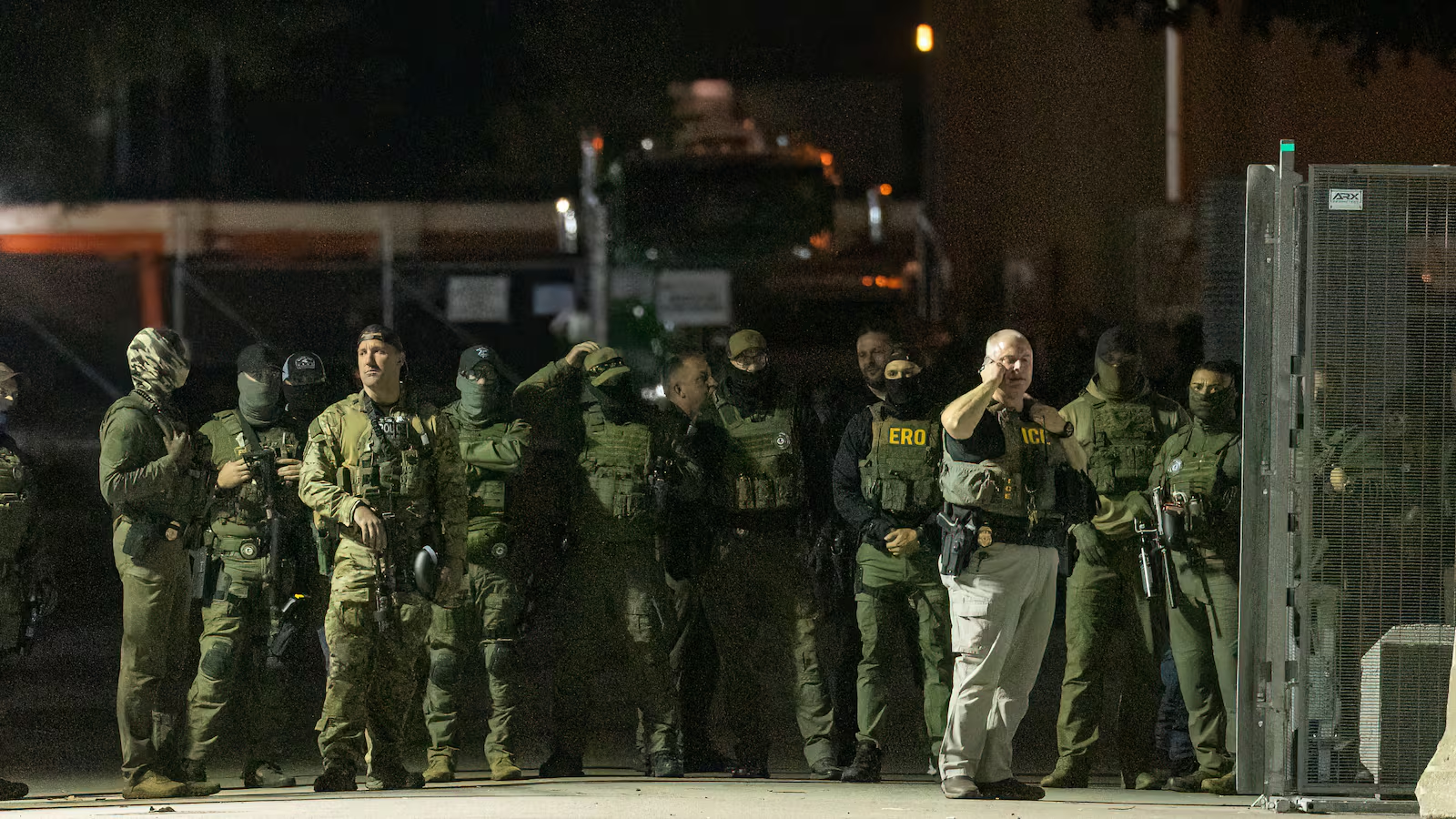
The presence of federal forces in Portland was met with resistance from local government and citizens alike. City officials and some community leaders feared that the deployment could lead to increased conflict, possibly provoking more intense reactions from protestors. Moreover, the visual of armed federal personnel in the streets posed questions around the militarization of civil spaces.
Understanding this dynamic is crucial for appreciating why the judicial intervention was seen as necessary by some quarters. It underscores the delicate dance between enforcing national order and respecting civil liberties, which continue to shape the American sociopolitical landscape.

The judge’s decision to block the National Guard’s deployment was based on several legal and ethical arguments. Key among them was the principle that the federal government should not interfere in state matters without compelling justification. The decision emphasized the importance of exhausting local resources and strategies before resorting to federal intervention.
This ruling reflects a broader legal interpretation that safeguards states’ rights against overarching federal control, especially when previous efforts had successfully contained or de-escalated tensions without additional militarization.
While some herald the judge’s ruling as a victory for states’ rights and autonomy, others see it as a missed opportunity to restore order. Critics argue that certain situations may genuinely require federal intervention to ensure public safety, suggesting that the recent events may dissuade necessary future actions.
This dichotomy of responses illuminates the challenges in applying constitutional principles to modern-day governance, where public opinion and partisan perspectives heavily influence judicial outcomes.
The ruling against Trump’s National Guard deployment brought to light the ongoing debate about the role of federal forces in domestic affairs. Many experts suggest that these decisions set precedents that will influence how similar situations are handled in the future. Furthermore, it highlights the growing scrutiny of executive actions and their alignment with constitutional mandates.
For citizens and lawmakers alike, this moment serves as a reminder of the intricate checks and balances embedded within the U.S. governmental framework, designed to protect the democratic fabric of the nation.
Why Did a Judge Block Trump’s National Guard Plan in Portland?
To answer the query directly, the judge blocked Trump’s plan based on concerns of federal overreach and the necessity to preserve states’ law enforcement prerogatives. The perceived risk of escalating tensions and undermining local governance were pivotal in the courtroom’s analysis, supporting the state’s ability to manage protests independently.
In conclusion, this judicial intervention is emblematic of the broader debate around state sovereignty and federal intervention, enduring themes in the United States’ storied history. It acts as a lens through which we view the adaptation of foundational legal principles to contemporary societal needs.